
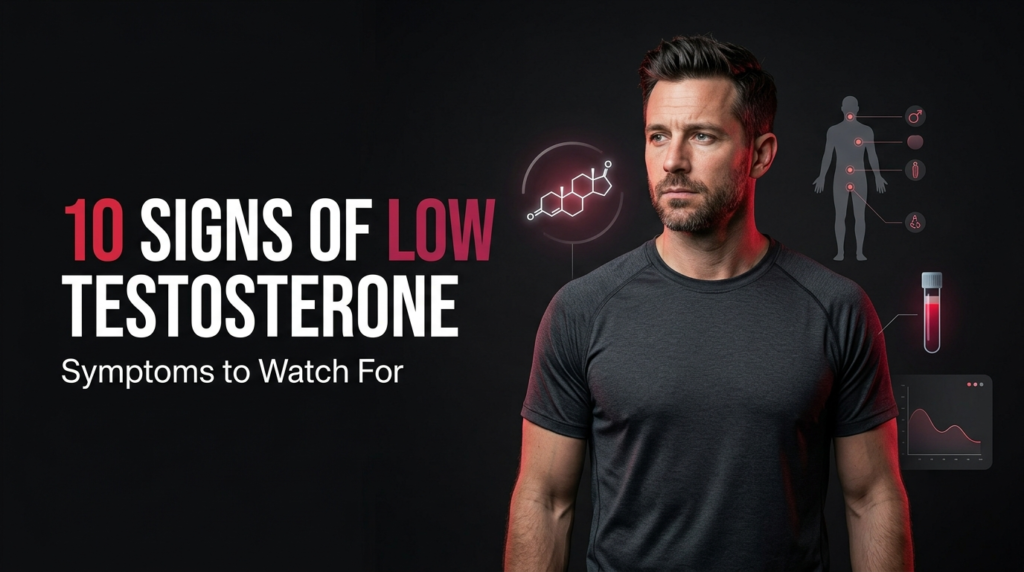
Testosterone is an important hormone that plays a role in sexual function, sperm production, muscle mass, bone health, energy, and overall well-being in men. Testosterone levels can decline with age, but symptoms alone do not necessarily mean that a man has low testosterone.
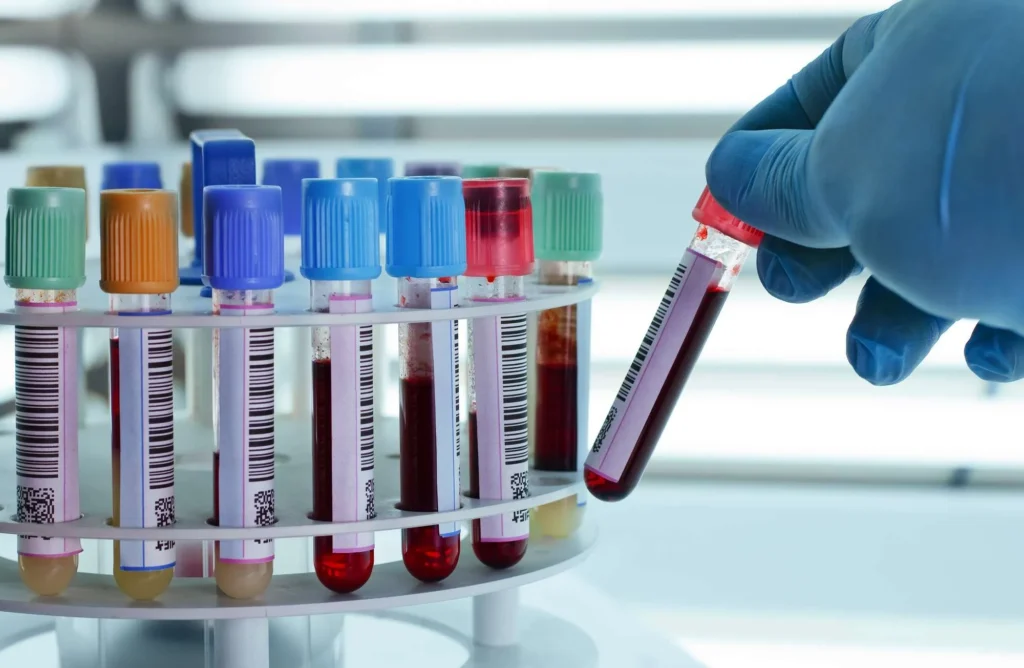
Low testosterone, also known as testosterone deficiency or male hypogonadism, is diagnosed by a healthcare professional using symptoms and appropriately performed blood tests. The Endocrine Society recommends confirming low testosterone with repeat morning testing rather than relying on a single result.
In this article, we’ll look at 10 possible signs of low testosterone in men, when they may be worth discussing with a doctor, and why proper testing is important.
Reduced Libido
One of the most common signs of low testosterone in men is a decrease in libido, or sex drive. Testosterone plays a key role in regulating sexual desire, arousal, and performance. When testosterone levels are low, men may experience a decline in their interest in sexual activity, decreased frequency of spontaneous erections, and difficulty achieving or maintaining erections during intercourse. Additionally, diminished libido can have a significant impact on intimate relationships and overall quality of life.
Erectile Dysfunction and Fewer Spontaneous Erections
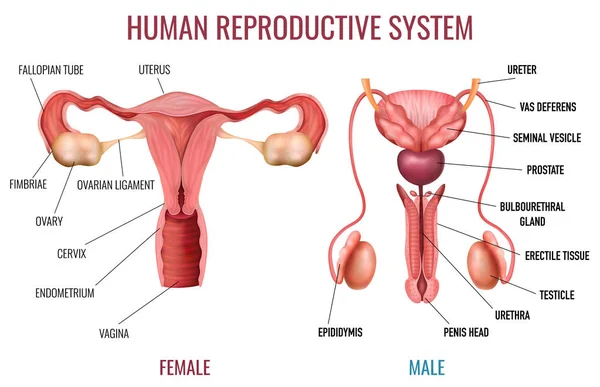
Erectile dysfunction (ED) refers to the inability to achieve or sustain an erection sufficient for sexual intercourse. While ED can have various causes, including psychological factors and underlying medical conditions, low testosterone levels are a common contributing factor. Testosterone plays a crucial role in stimulating the production of nitric oxide, a signaling molecule that facilitates the dilation of blood vessels in the penis, allowing for increased blood flow and the attainment of an erection. When testosterone levels are low, this process may be impaired, leading to difficulties with erectile function.
Decreased Muscle Mass and Strength
Testosterone is essential for the development and maintenance of lean muscle mass and strength in men. It promotes protein synthesis and muscle growth while inhibiting protein breakdown, helping individuals build and preserve muscle tissue. When testosterone levels decline, men may experience a gradual loss of muscle mass, particularly in the arms, legs, and chest. Additionally, decreased testosterone levels can lead to reductions in muscle strength, endurance, and physical performance, making it more challenging to engage in regular exercise and activities of daily living. So, this is one of the most common signs of low testosterone.
Increased Body Fat
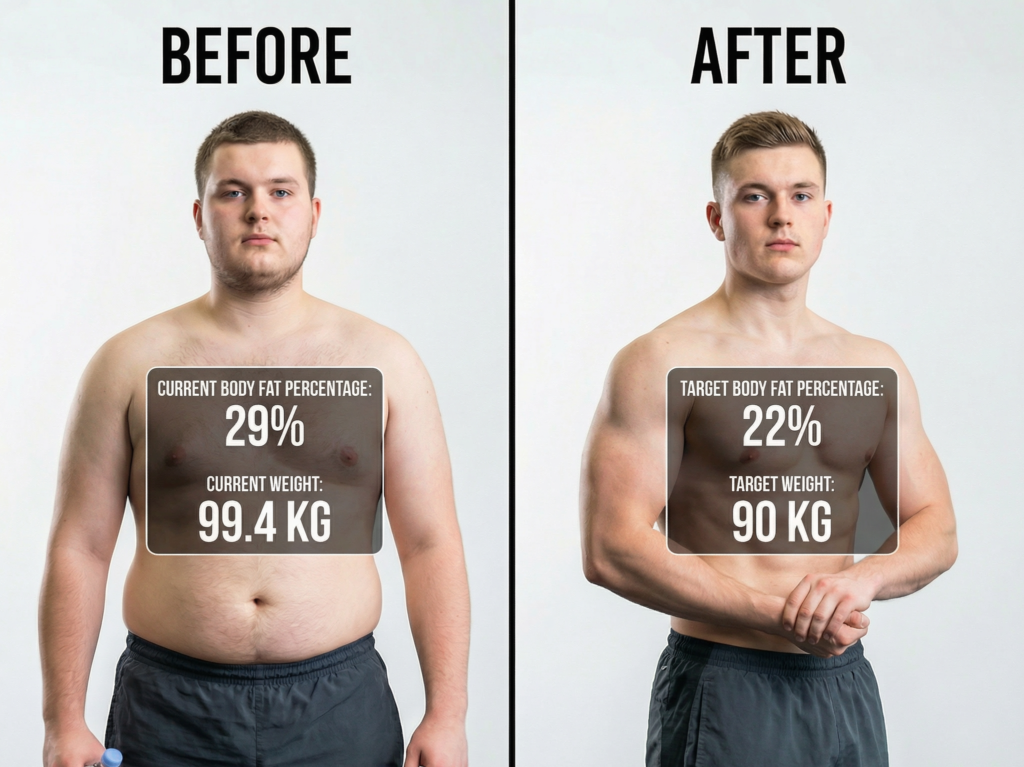
Low testosterone levels have been associated with changes in body composition, including increased body fat and decreased muscle mass as we already have discussed above. Testosterone plays a role in regulating metabolism and fat distribution, with lower levels of testosterone being linked to greater accumulation of visceral fat, particularly around the abdomen. This type of fat deposition is associated with an increased risk of metabolic syndrome, insulin resistance, type 2 diabetes, and cardiovascular disease. Men with low testosterone may notice changes in their body shape, with a tendency to gain weight in the midsection despite maintaining similar dietary and exercise habits.
Decreased Facial and Body Hair Growth
Testosterone is responsible for the development of secondary sexual characteristics in men, including facial and body hair growth. Low testosterone levels lead to a reduction in the growth and thickness of facial hair, as well as decreased body hair growth on the chest, arms, and legs. Some men with testosterone deficiency may notice reduced facial, pubic, or body hair growth. So these decreased facial and body fair growth signs of low testosterone are also very common. Changes in hair growth patterns can impact self-image and confidence, particularly for men who place importance on their appearance.
Mood Changes and Depression
Testosterone influences mood regulation and emotional well-being in men. Low testosterone may be associated with changes in mood, irritability, depressed mood, and difficulty concentrating. However, these symptoms are nonspecific and can also occur because of stress, depression, sleep problems, or other medical conditions. Testosterone receptors are present in areas of the brain involved in mood regulation, such as the amygdala and prefrontal cortex, suggesting a direct link between testosterone levels and emotional health. Men with low testosterone may experience changes in their mood, outlook on life, and ability to cope with stressors, impacting their overall quality of life and interpersonal relationships.
Decreased Bone Density
One of the most overlooked signs of low testosterone is decreased bone density. Testosterone plays a crucial role in maintaining bone health and density in men. It stimulates bone formation by promoting osteoblast activity and inhibiting osteoclast activity, leading to increased bone mineral density and strength. When testosterone levels decline, men may experience reductions in bone density, putting them at increased risk of osteoporosis, fractures, and bone-related complications. Low bone density can have serious consequences for mobility, independence, and overall health, highlighting the importance of maintaining optimal testosterone levels for bone health.
Decreased Cognitive Function
Testosterone plays a role in cognitive function, including memory, concentration, and spatial awareness. Low testosterone levels have been associated with cognitive decline and an increased risk of neurodegenerative disorders such as Alzheimer’s disease and dementia. Men with low testosterone may experience difficulties with memory recall, attention, and executive function, affecting their ability to perform cognitive tasks and engage in activities that require mental acuity. Addressing low testosterone levels may help support cognitive health and preserve cognitive function as men age.
Fatigue and Decreased Energy Levels
Testosterone plays a role in regulating energy metabolism and maintaining vitality and stamina. Men with low testosterone levels may experience feelings of fatigue, lethargy, and decreased energy levels, even after adequate rest. This can impact their ability to perform daily tasks, engage in physical activity, and maintain productivity at work or school. Additionally, low testosterone levels may contribute to disturbances in sleep patterns, including insomnia, fragmented sleep, and daytime sleepiness, further exacerbating feelings of fatigue and exhaustion. Thus, all these fatigue and related issues are very common signs of low testosterone in men.
Infertility and Reproductive Issues
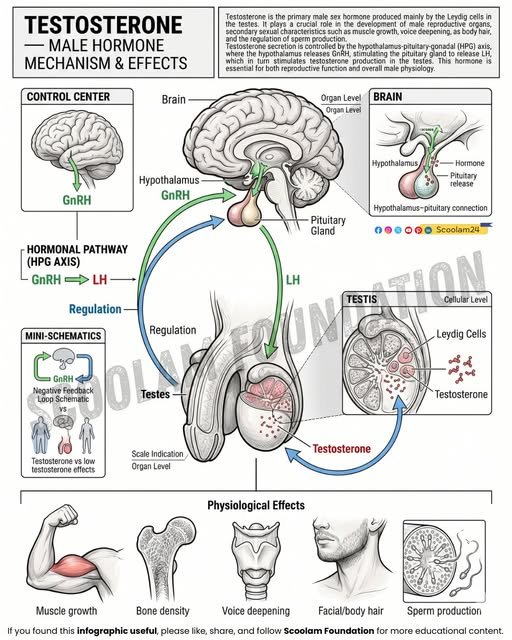
Testosterone is essential for the production of sperm and the maintenance of reproductive function in men. Low testosterone levels can disrupt the hypothalamic-pituitary-gonadal axis, leading to reductions in sperm production, sperm motility, and sperm quality. This can contribute to infertility, difficulty conceiving, and reproductive issues in men. Additionally, low testosterone levels may be associated with decreased libido and sexual dysfunction, further impacting fertility and reproductive health. Men experiencing fertility concerns should consult with a healthcare provider to evaluate potential underlying causes, including hormonal imbalances such as low testosterone.
Conclusion
Low testosterone can affect several aspects of men’s health, including sexual function, energy, muscle mass, mood, bone health, and fertility. However, experiencing one or more of these symptoms does not automatically mean that testosterone levels are low.
If you are experiencing persistent symptoms, speak with a qualified healthcare professional. A proper evaluation may include a medical history, physical examination, and appropriately timed testosterone blood tests. Current guidance recommends confirming low testosterone with consistently low measurements rather than relying on symptoms alone.
Do not start testosterone or other hormone treatments based solely on symptoms or an online article. The appropriate treatment depends on the underlying cause, test results, symptoms, and individual health circumstances.
Medical Disclaimer: This article is for informational and educational purposes only and is not a substitute for professional medical advice, diagnosis, or treatment. If you have persistent symptoms or concerns about testosterone levels, consult a qualified healthcare professional.